
L-Carnitine for Kids: Benefits, Safety, and Natural Sources
A Mom-Friendly Guide to Energy and Brain Support
As moms, we’re constantly thinking about our kids’ energy, focus, and overall development. If you’ve been searching online for “L-carnitine for kids”, “is L-carnitine safe for children”, or “what does L-carnitine do for kids”, you’re not alone.
Let’s talk about it in a simple, calm, and honest way, so you can make informed decisions for your child 💙
What Is L-Carnitine?
L-carnitine is a natural compound that helps the body turn fat into energy.
Your child’s body already makes L-carnitine on its own (mainly in the liver and kidneys), and it’s also found in some foods. It plays an important role in how energy is produced, especially for the brain, muscles, and heart.
Think of L-carnitine as a natural energy transporter — it helps move fuel where the body needs it most.
What Does L-Carnitine Do for Children?
L-carnitine supports energy metabolism, which means how the body creates and uses energy throughout the day.
⚡ Supports Healthy Energy Levels
L-carnitine helps cells use fat as fuel. When this process works well, kids are better supported for:
-
Daily activities
-
Learning and play
-
Normal physical and mental energy
This is especially important during growth years.
🧠 Supports Brain Function
The brain needs a lot of energy to function properly. L-carnitine supports:
-
Brain cell energy
-
Nerve function
-
Neurotransmitter activity involved in learning and memory
Because of this, L-carnitine is often discussed in research related to focus, attention, and neurological support, especially in children with sensitive systems.
👶 Special Situations Where L-Carnitine Is Considered
Most healthy kids make enough L-carnitine naturally. However, doctors may recommend it in specific cases, such as:
-
Certain metabolic conditions
-
Children taking specific medications
-
Low energy due to medical reasons
-
Neurological conditions where energy metabolism is affected
Some studies explore L-carnitine in children with autism or ADHD, but it’s important to understand that it is not a cure or medication. It is considered supportive nutrition, always under medical guidance.
Is L-Carnitine Safe for Kids?
This is one of the most common questions moms ask — and the answer is reassuring.
Yes, L-carnitine is generally considered safe for children when used appropriately and when truly needed.
It has been used in pediatric care for many years.
Possible mild side effects (uncommon):
-
Mild stomach discomfort
-
Loose stools
-
Temporary body odor
These effects are usually mild and dose-related.
👉 Always talk to your pediatrician before giving your child any supplement, especially if your child:
-
Has seizures
-
Has thyroid conditions
-
Takes regular medication
Natural Food Sources of L-Carnitine
L-carnitine is found mostly in animal-based foods.
Natural sources include:
-
🥩 Beef and red meat (highest source)
-
🐖 Pork
-
🥛 Milk and dairy
-
🐟 Fish
-
🍗 Chicken (small amounts)
Plant foods contain very small amounts, but that’s okay — the body can make L-carnitine as long as your child gets enough:
-
Protein
-
Vitamin C
-
Iron
-
B vitamins
That’s why most children with a balanced diet do not need supplementation.
L-Carnitine Supplements for Kids: What Moms Should Know
When supplementation is recommended by a healthcare provider, liquid supplements are often preferred for children because they are:
-
Easier to absorb
-
Easier to dose
-
Gentler on digestion
What to look for in a kids’ supplement:
✔ Sugar-free
✔ Clean ingredients
✔ No artificial colors or preservatives
✔ Designed for sensitive systems
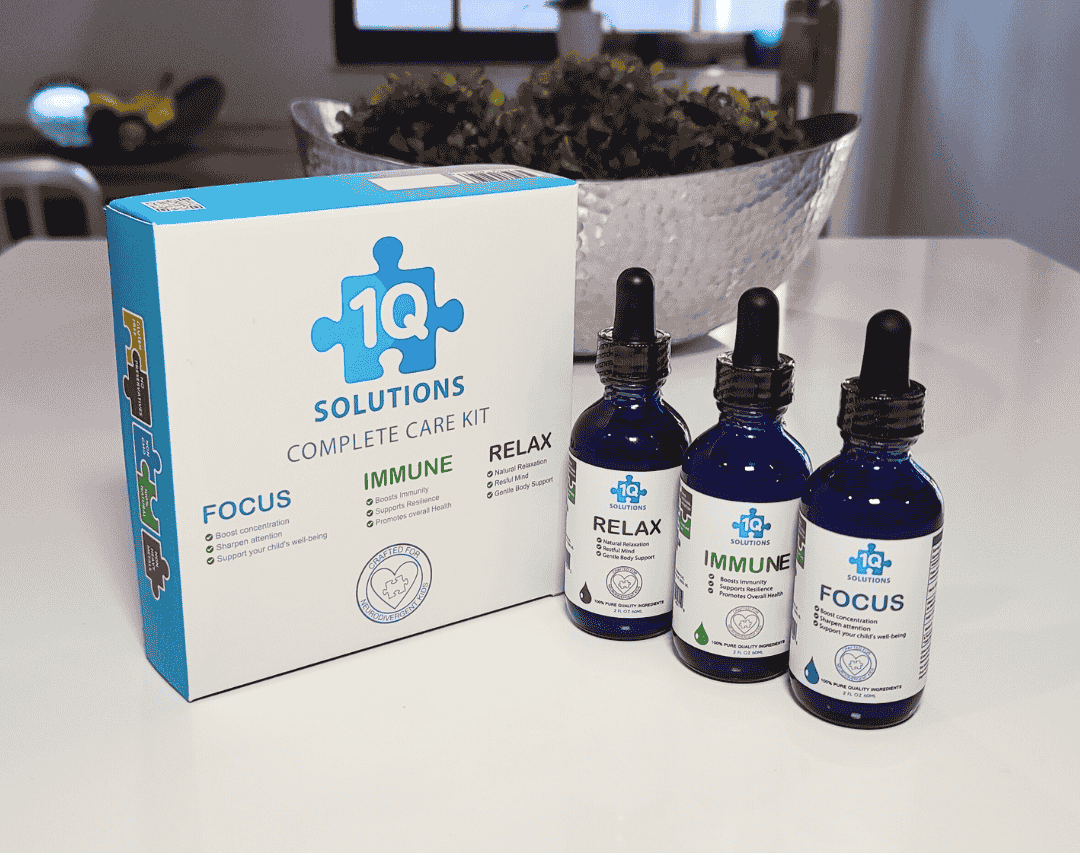
At 1Q Solutions, we believe children’s supplements should support the body gently — never overstimulate it.
Final Thoughts for Moms 💙
If you’re reading this, it means you’re doing what great moms do — learning, asking questions, and choosing carefully.
L-carnitine is:
-
A natural compound
-
Important for energy and brain support
-
Generally safe when used correctly
-
Best used intentionally and thoughtfully
At 1Q Solutions, we focus on clean science, gentle formulas, and transparency, because kids deserve supplements designed for real families and sensitive systems.
Always trust your instincts — and partner with your pediatrician 🤍